
If you work in marketing and want one AI book to start with, I’d pick Christopher Mims’s How to AI. If you’re more interested in how the technology works, start with AI Explained by Pete Rai and Wendy Hall.
I’ve split my 18 picks into four groups. Start with the basics, get to know the people and ideas behind the technology, try a book that makes you imagine a different future, or go straight to the ones you can work through with a laptop open.
As an Amazon Associate I earn from qualifying purchases.
Read first
Pick one of these four according to what brought you here. There’s a starting point for using AI at work, for understanding it, for seeing what happens when someone tries it for a year, and for questioning the claims people make about it.
How to AI
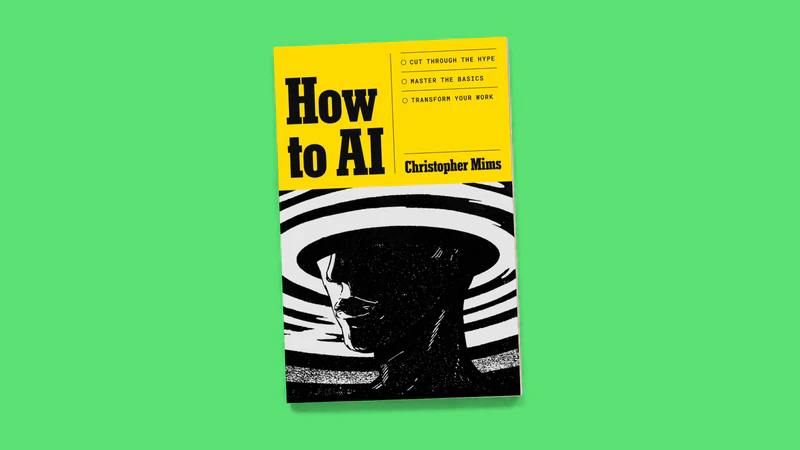
Christopher Mims follows people using AI at work, including the marketing team at Clorox making adverts. Their example raises two questions worth asking on your next campaign brief. Where would an AI draft save you time? And who on your team knows the product well enough to spot a claim it’s invented?
AI Explained
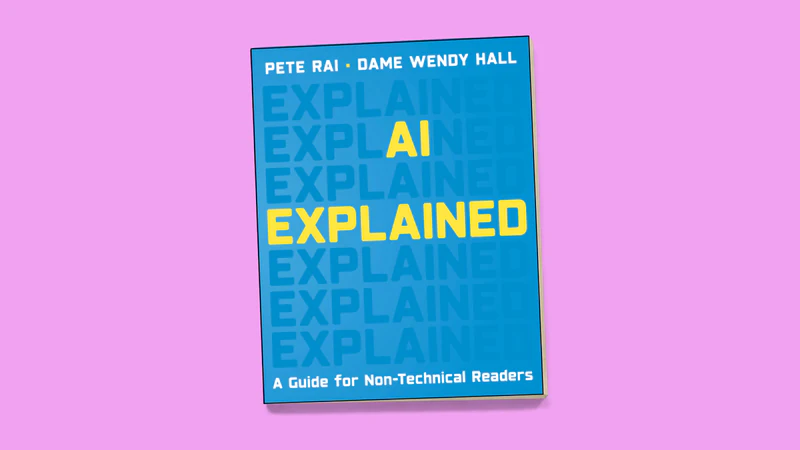
Pete Rai and Wendy Hall begin with a computer following a rule somebody wrote. From there they explain how machines learn patterns from examples and how a model comes to generate something new. By the time you reach generative AI, you have a way to explain why flagging an unusual card payment and writing a paragraph are such different jobs. You can follow the argument without writing code.
I Am Not a Robot
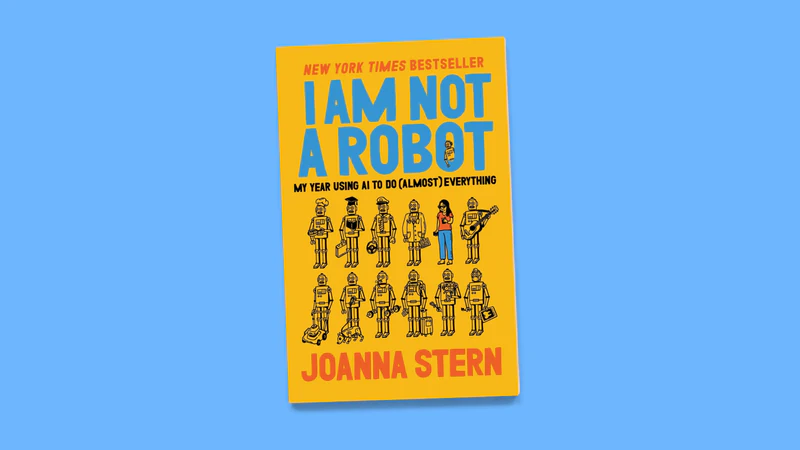
Joanna Stern spent a year finding out how much of her life she could hand over to AI. Her family tried self-driving cars, she put robots to work in the kitchen, and she took a college class with ChatGPT at her side. The classroom experiment raises a good question. If a tool can help you get the grade, how much of the subject have you actually learnt? I’d start here if you like learning through someone else’s adventures.
The AI Con
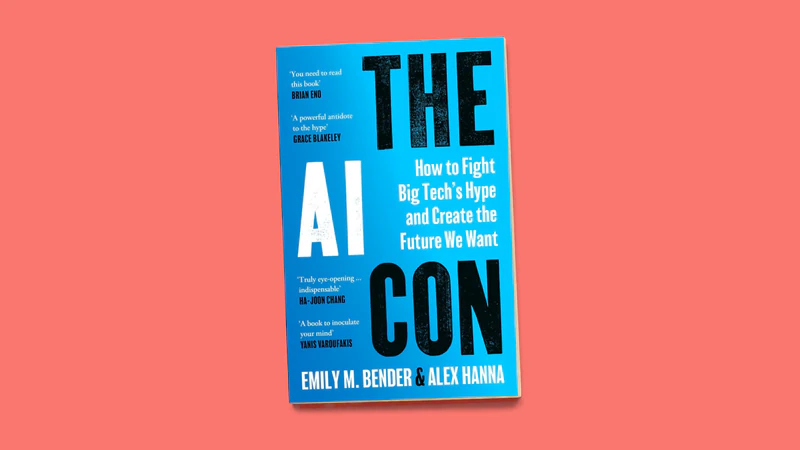
Read this before the next sales demo. Linguist Emily M. Bender and sociologist Alex Hanna take a sceptical look at what gets sold under the label of AI. Their questions are useful even if you’re more enthusiastic about the technology than they are. When a vendor promises to save your team ten hours a week, what work disappears, what work lands on somebody else’s desk, and who measured the difference?
Read next
Once you’ve used AI for a while, you start asking better questions. Why is it brilliant at one part of a job and hopeless at the next? Who gathered the data, built the hardware or decided which research to fund? Follow whichever question you’ve found yourself asking.
Co-Existence
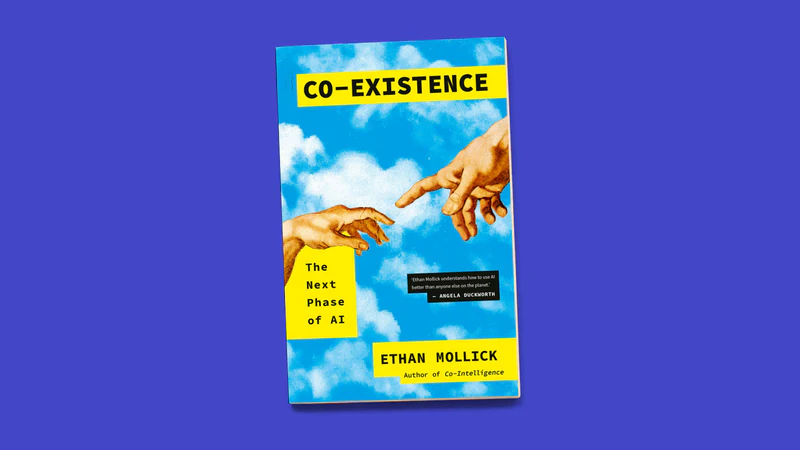
This is Ethan Mollick’s follow-up to Co-Intelligence. You might recognise the experience he describes. AI handles a task you’d have expected to spend hours on, then fumbles something you thought would be easy. Read it with one job in mind. On a client proposal, for example, where would you trust the model to do a first pass, and which decisions depend on knowing the people in the room?
The Worlds I See
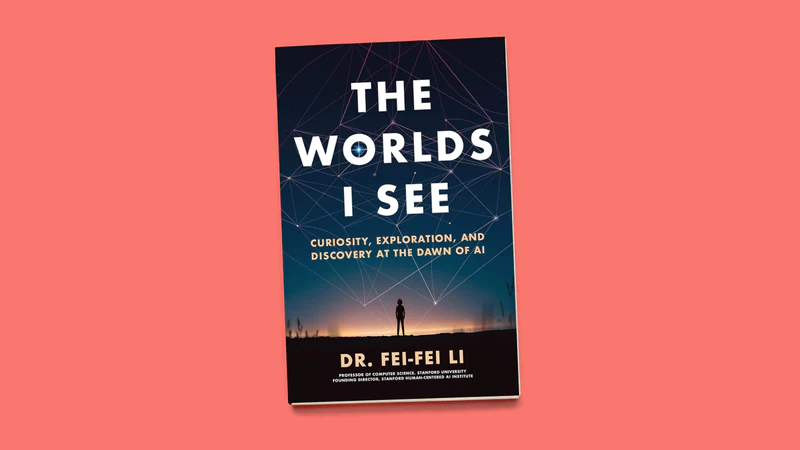
Before a computer could learn to recognise the contents of a photograph, someone had to decide what to show it. Fei-Fei Li tells the story of ImageNet, the enormous collection of labelled pictures she and her team put together. Her memoir makes the people behind that work visible. It’s my pick for anyone curious about why a collection of pictures could be as important a research contribution as an algorithm.
These Strange New Minds
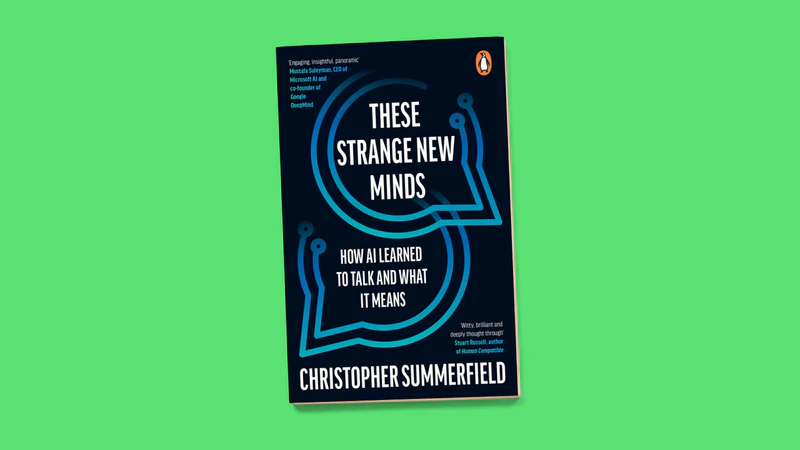
A chatbot can explain a joke, change its mind halfway through an answer and tell you it’s sorry. Which of those things tells you it understood what you said? Christopher Summerfield brings his background in cognitive neuroscience to the question of how machines learnt to talk. This is a good second book for anyone who’s had a surprisingly convincing conversation with a model and wondered what was happening on the other side.
The Thinking Machine
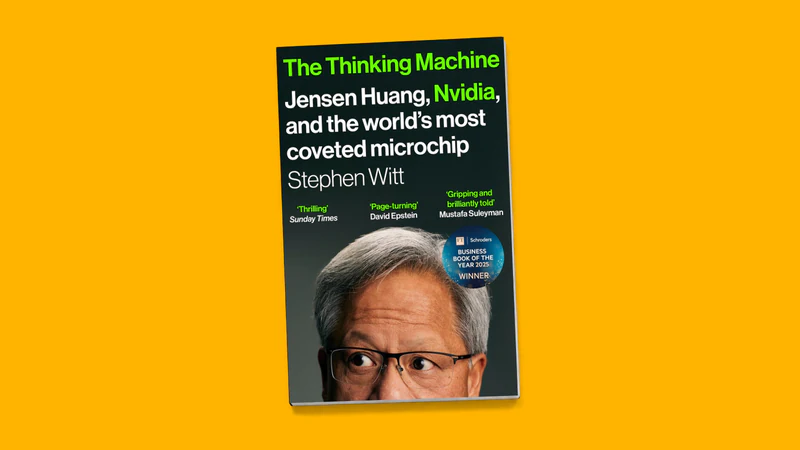
How did Nvidia go from selling graphics cards to gamers to supplying the chips behind ChatGPT? Drawing a scene on screen means doing lots of small calculations at once. That same capability turned out to be remarkably useful for training neural networks. Stephen Witt follows Jensen Huang and the engineers who bet on it years before the market was obvious. The book won the 2025 Financial Times and Schroders Business Book of the Year.
The AGI Chronicles
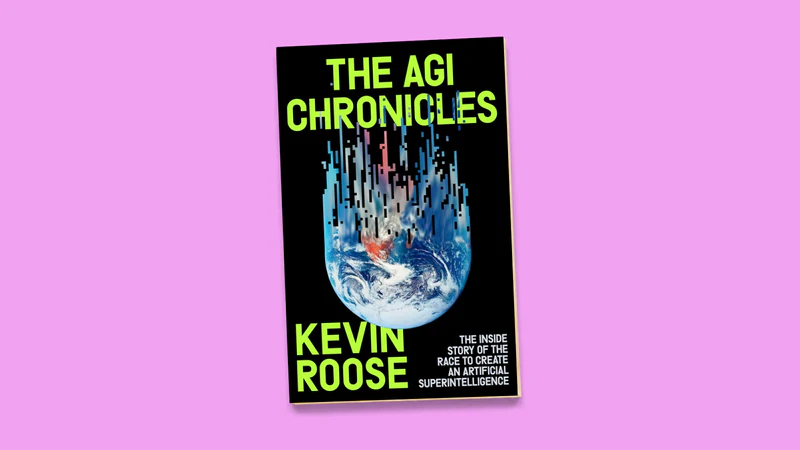
Kevin Roose draws on more than 150 interviews to tell the story of the race between OpenAI, Anthropic and Google DeepMind. The prize they’re chasing is artificial general intelligence, a system that could handle a wide range of intellectual tasks. If you’ve ever watched one lab announce a model and another rush out its own news days later, this is the book for understanding the people, ambitions and disagreements behind those decisions.
Think bigger
What happens when AI has a say in who you date, which experiments a scientist runs, or where a town’s water goes? This is the section for the books that might blow your mind a bit. Some imagine a possible future. Others report on choices people are already having to make.
AI 2041
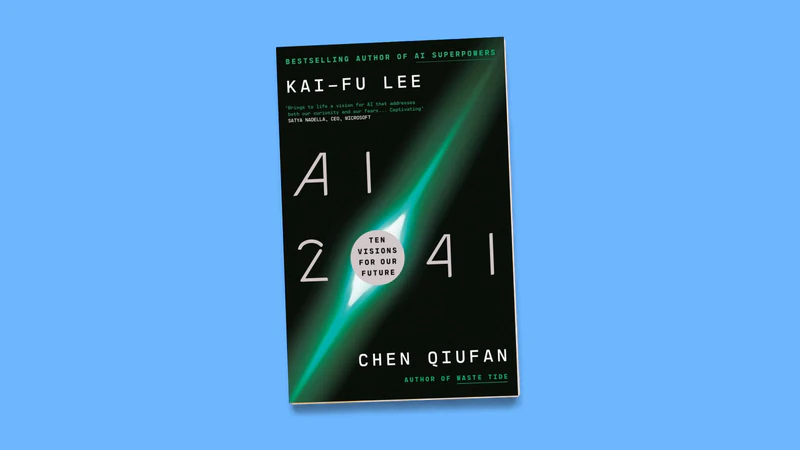
In the opening story, a girl in Mumbai likes a boy, and her family’s insurance app starts getting in the way. Why would an insurer have an opinion about who she sees? That’s the pleasure of this book. Chen Qiufan imagines people living with a technology, then Kai-Fu Lee explains the science that could make the story possible. You get ten chances to try a different future on for size.
The Eureka Machine
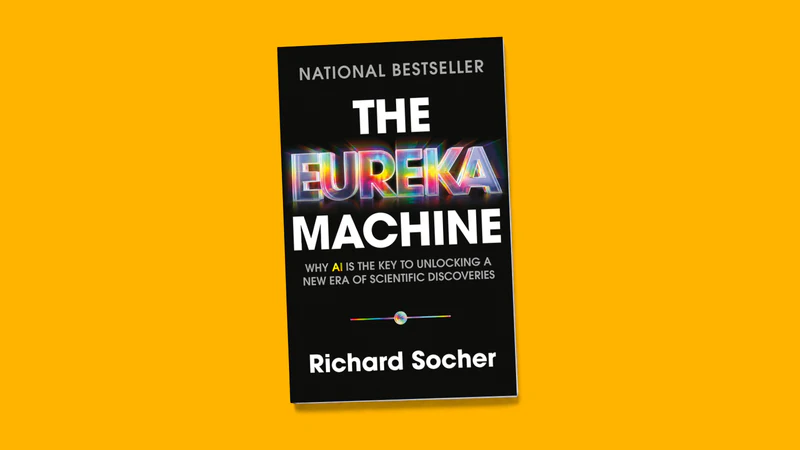
What if AI’s most important contribution turns out to be helping a scientist choose the next experiment? Richard Socher makes the optimistic case that AI could speed up discovery itself. He moves from cell biology and drug development to astronomy, where researchers face more observations than they could ever examine by hand. His predictions are ambitious. It’s worth reading for the glimpse of what a research team might do with a much shorter wait between an idea and a test.
Artificial Intimacy
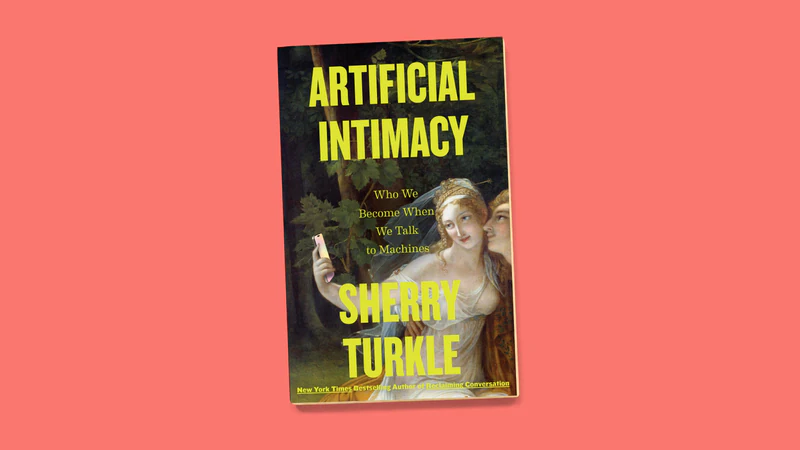
A chatbot can give you its full attention at three in the morning. What happens when you get used to that kind of company and then come back to a friendship, where the other person has needs of their own? Sherry Turkle draws on conversations with people who have formed attachments to chatbots. I’d give this to anyone curious about what the habit of confiding in a machine might do to our relationships with each other.
Empire of AI
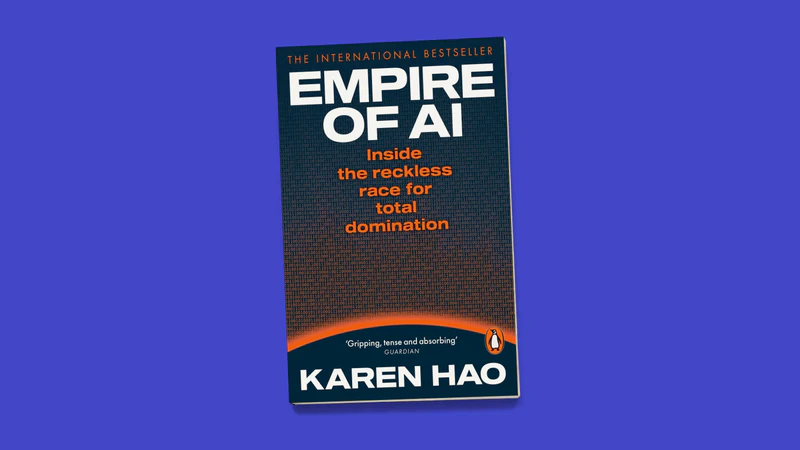
Karen Hao investigates the rise of OpenAI, then follows the story out of Silicon Valley. You hear from workers in Kenya who label data and activists in Chile concerned about the water that data centres use. If you want to understand who makes a product like ChatGPT possible, and who gets a say in the costs, start here. It won the National Book Critics Circle Award for Nonfiction.
Life 3.0
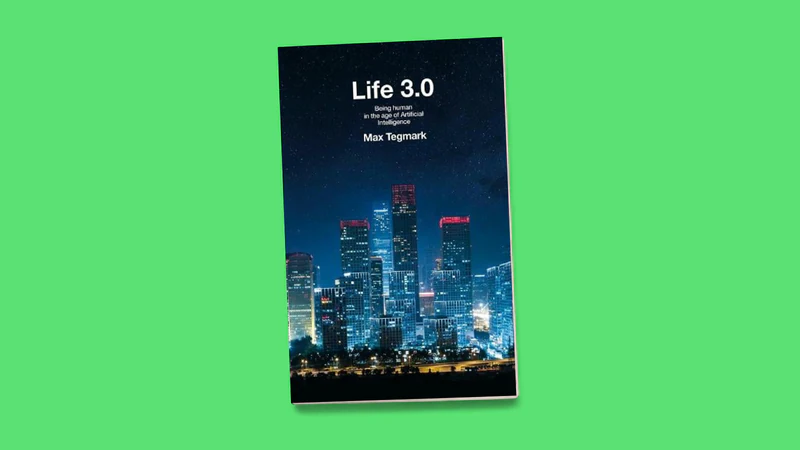
I’ve kept Life 3.0 on the list because I really like the way Max Tegmark imagines the future. He opens with the fictional Omega Team, a small group who build an extraordinarily capable AI called Prometheus. Follow their plan for a few pages and the question changes. If a handful of people had that much power, who would you want deciding what they did with it? This is the one I’d give somebody who enjoys turning an idea like that over for days.
Go deeper
What would you like to do with a laptop or a notebook open? Build a language model, put an existing one to work, give an agent tools, or understand the maths of training. These four books take you to different places.
Build a Large Language Model (From Scratch)
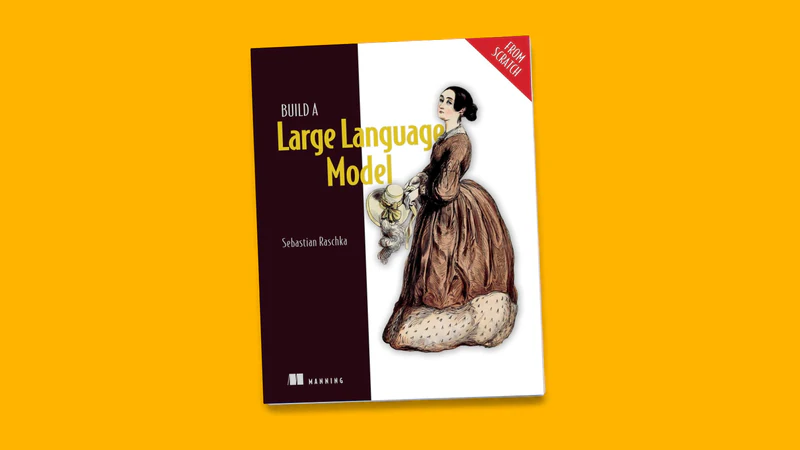
Sebastian Raschka takes you from splitting text into small pieces to training a small language model and teaching it to follow instructions. You write the Python as you go, which makes this a good choice if the diagrams have stopped being enough. By the time your model generates a sentence, you’ve built the parts that turn the words you typed into a prediction of what comes next. The code and notebooks accompany the book.
AI Engineering
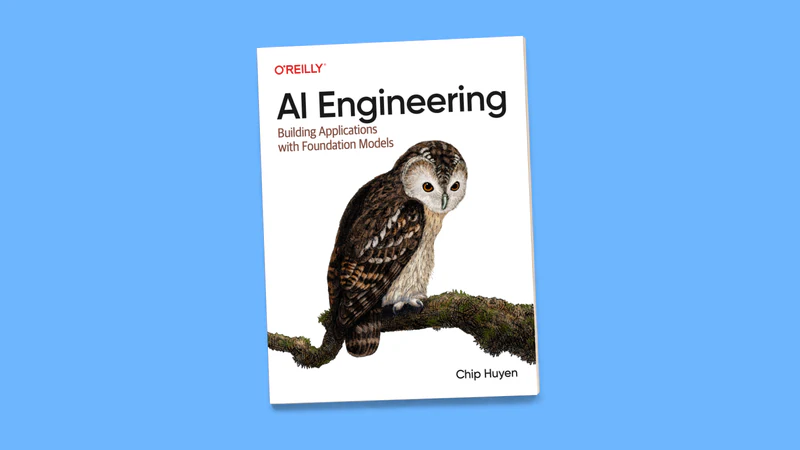
If you’re building an assistant that answers questions from your product catalogue, Chip Huyen is more useful to you than a book about training a model from scratch. She covers choosing a model, giving it access to your documents and testing its answers. Try two models on the same twenty customer questions. If both invent the same returns policy, that’s a good reason to look at the information you’re giving them before paying for a more expensive model.
An Illustrated Guide to AI Agents
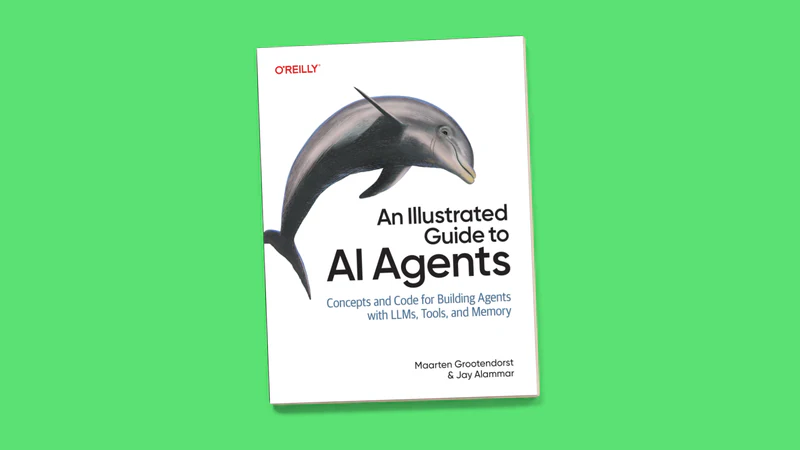
Maarten Grootendorst and Jay Alammar build up a small agent a piece at a time. First there’s a model. Give it a tool and it can take an action. Give it memory and what happened on the last step can influence the next one. The diagrams and accompanying code make this a good way to understand why an agent chose the wrong tool or forgot something halfway through a job.
Understanding Deep Learning
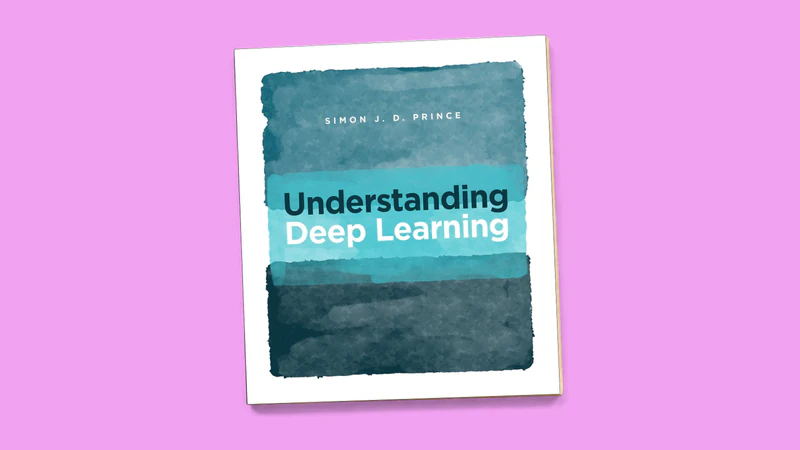
This is the one to open with a pencil. Simon J. D. Prince uses illustrations, then equations and exercises, to show what changes inside a neural network as it learns. You can work from the fundamentals through to transformers, which underpin modern language models, and diffusion models used to generate images. If you want to understand that range of systems well enough to work through the maths yourself, this is where I’d finish.